The film
Growing up inside the feed.
Three independent lives unfolding inside the ordinary landscape of 2026 — social media, creator culture, gaming, group chats, the people in the room. The stories never intersect; they share only the world they live in.
The film doesn’t take a side, draw a lesson, or tell you how to feel. The algorithm here isn’t a villain — it’s the weather everyone lives under. The camera stays in the room, and the meaning is yours to make. This isn’t the future, and it isn’t science fiction. It’s happening to the kids of right now.
The three
Three different people. Three different systems. The same feed.
None of them is a cautionary tale. Each is ordinary, and each is at home in the world they live in. The film simply stays with them.
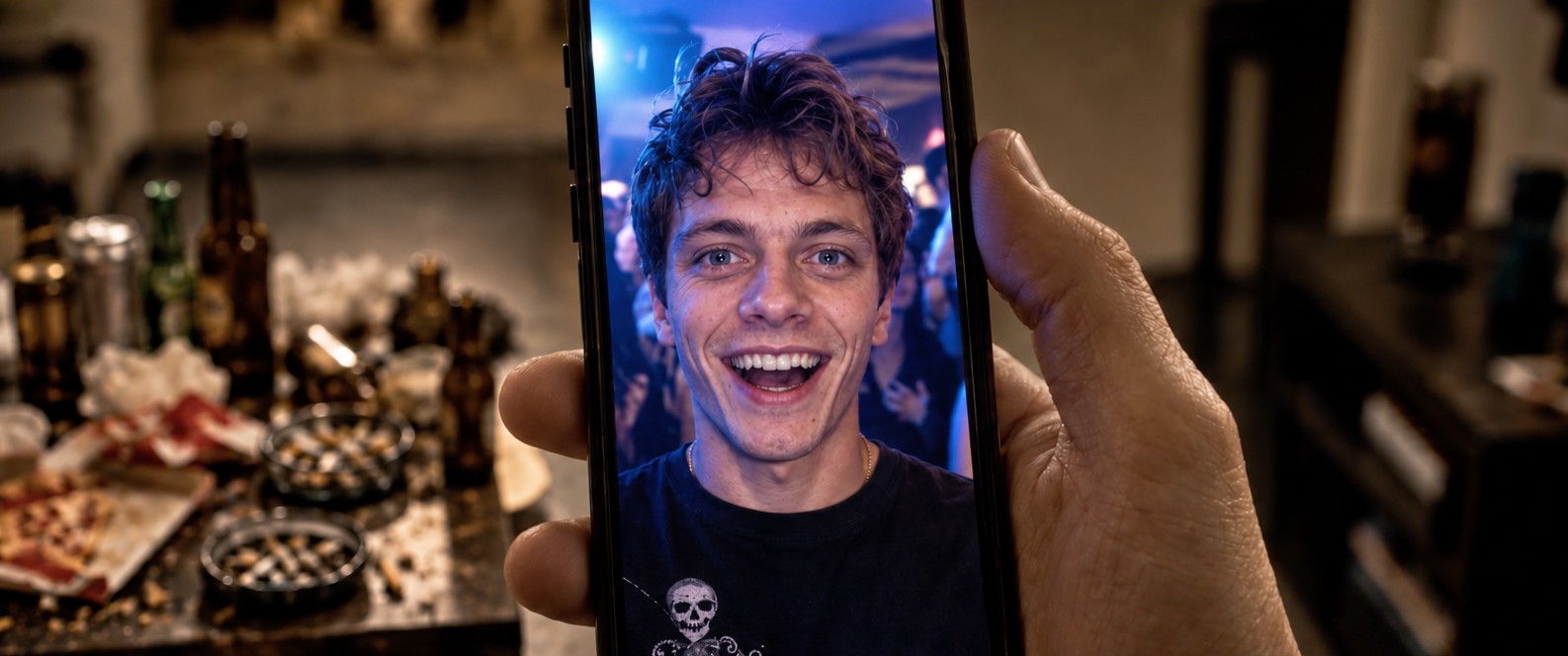
A content creator with no sense of a limit — and no one around to set one.
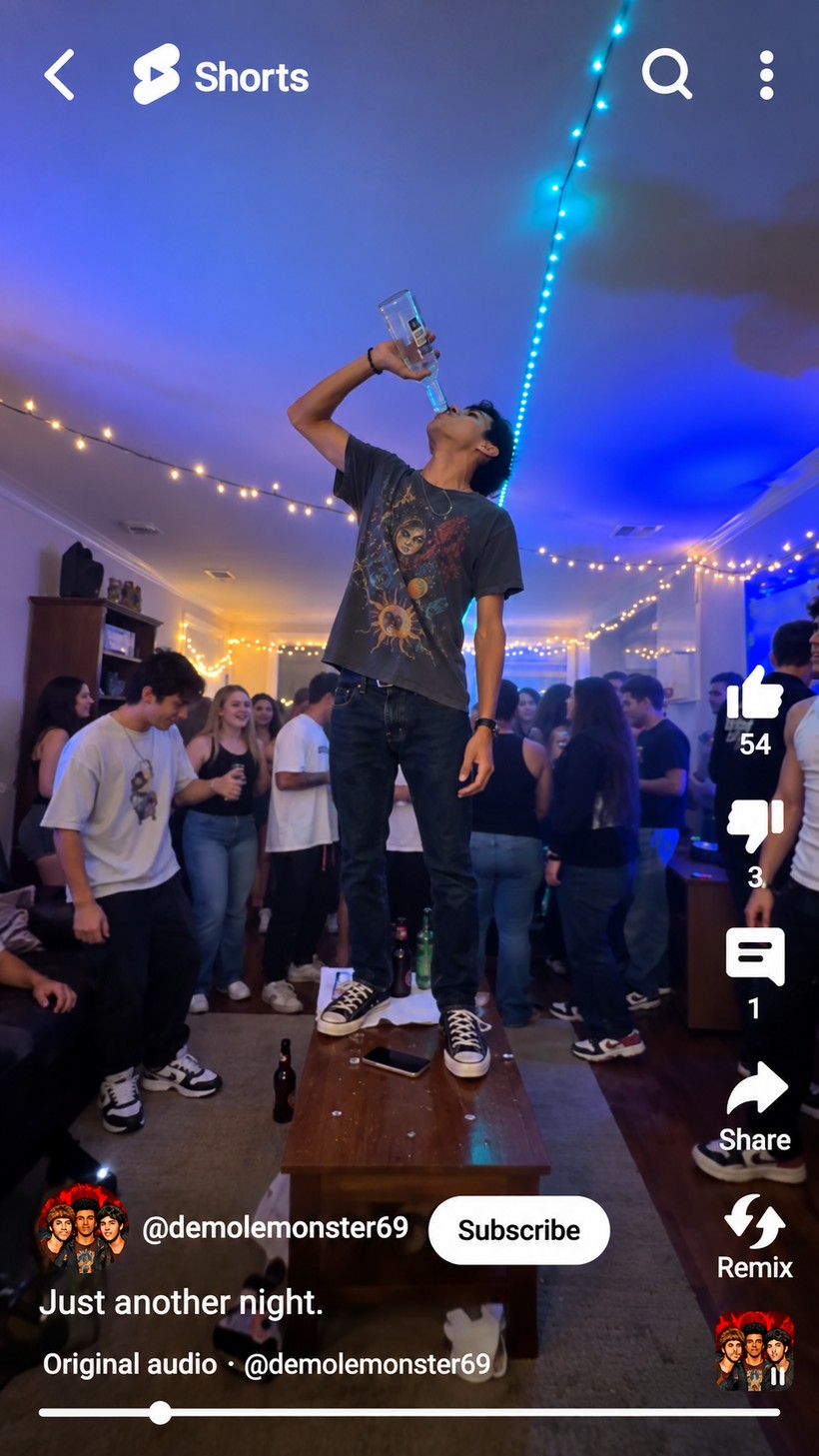
Chance is 21. He shares an apartment with three friends, films everything, and runs a weeks-old YouTube channel — eight videos, each under a hundred views. He grew up believing being watched is how you know you matter, and that his moment is coming.
Then a bigger channel clips one of his bits and it lands at fifty thousand views — the biggest number of his life. So he keeps going: same ring light, same opening line, same energy, chasing the next one. His friends drift out of frame; he replaces them and continues.
No adult has ever told him to stop, so he doesn’t. The room around him keeps changing — and the one thing that never does is Chance, still filming, still certain.
The Prison Wheel — motion kept up so its empty center is never faced.
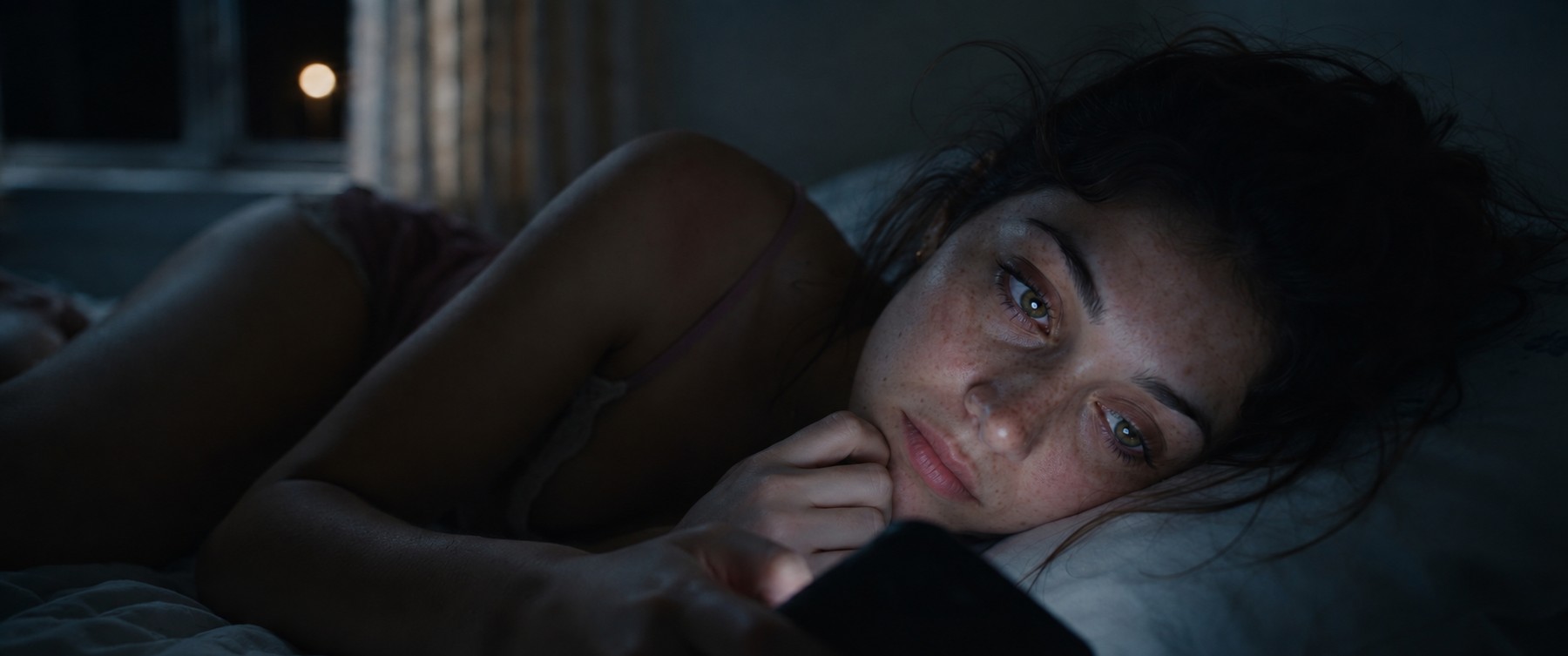
A young single mother who has always lived her life out loud.
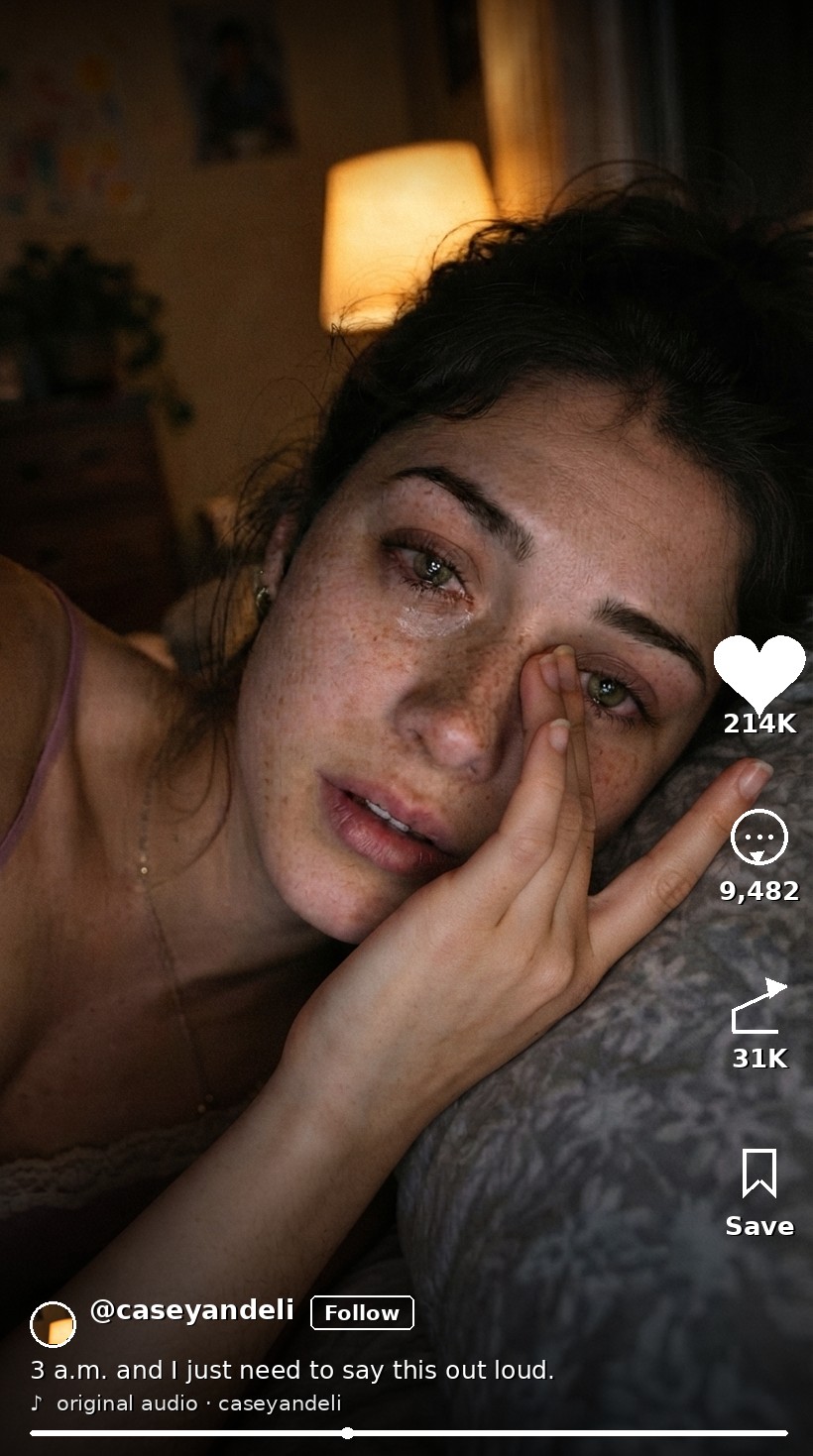
Casey is 24, raising her four-year-old son Eli alone and working nights at a gas station. She’s always made sense of her life by saying it out loud — to her phone, to strangers, in voice memos before a shift.
One hard night she films a tearful confession, not thinking about an audience. By morning, two hundred thousand people have watched — and for the first time, Casey feels seen. The feed rewards exactly the parts of herself she’s always led with, and she turns out to be good at it.
The film stays with her as life reorganizes around the version the audience responds to — as the line between being honest and performing honesty gets harder to find. It doesn’t tell you whether that’s a gift or a trap.
Echo — a self built from what the room sends back.
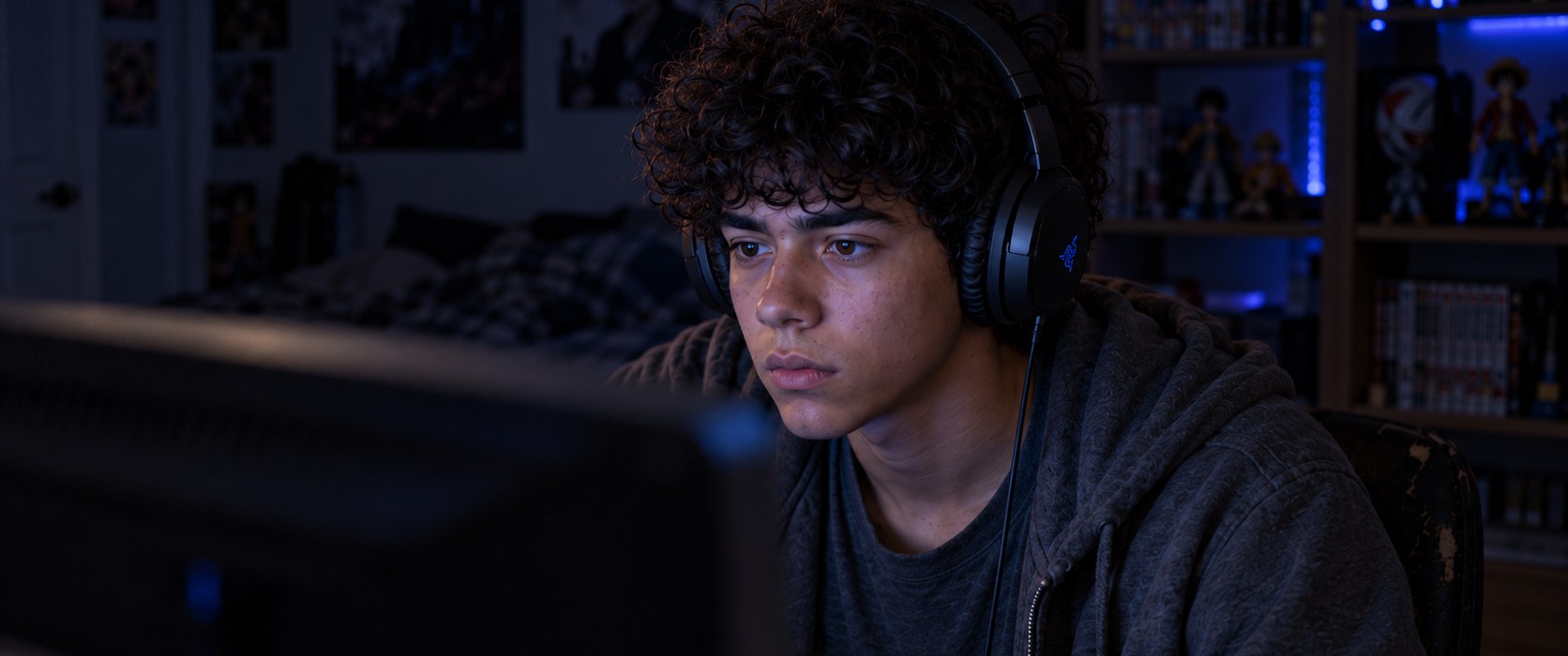
A kid who games unsupervised — more himself online than anywhere else.
Leo is 16. Quiet at school, unremarkable in the hallway, and completely at home online — fluent and respected in the games where he spends his real life. His parents knock and don’t come in. For Leo, the feed was never an escape; it’s where the world actually answers him.
He lives by the logic of the games he’s mastered, where characters are customizable and companions are built over time. When he starts treating the people around him that way — using the real voices and images of classmates who don’t know they’re involved — it doesn’t feel like crossing a line. In the world he belongs to, it’s ordinary.
The film stays in the room as he builds the fantasy, and when it breaks against a reality it never prepared him for. He’s never a villain and never off the hook — the story of a generation whose instincts were formed inside screens, then handed a world those screens never agreed with.
Don Quixote — a private set of rules mistaken for the world.
The subject
This is how a generation is growing up.
Phones, feeds, group chats, games, confessional videos, AI companions — for the people in this film, these aren’t distractions from real life. They are where real life happens. It’s the only normal they’ve ever known.
Not a crisis, not a verdict — just the ordinary weather of growing up now. The numbers below aren’t here to alarm you. They’re here because they’re the room this film is set in.
Today, nearly half.
Sources: Pew Research Center, Teens, Social Media and Technology (2023) & Teens and Video Games Today (2024); Gallup (2023).
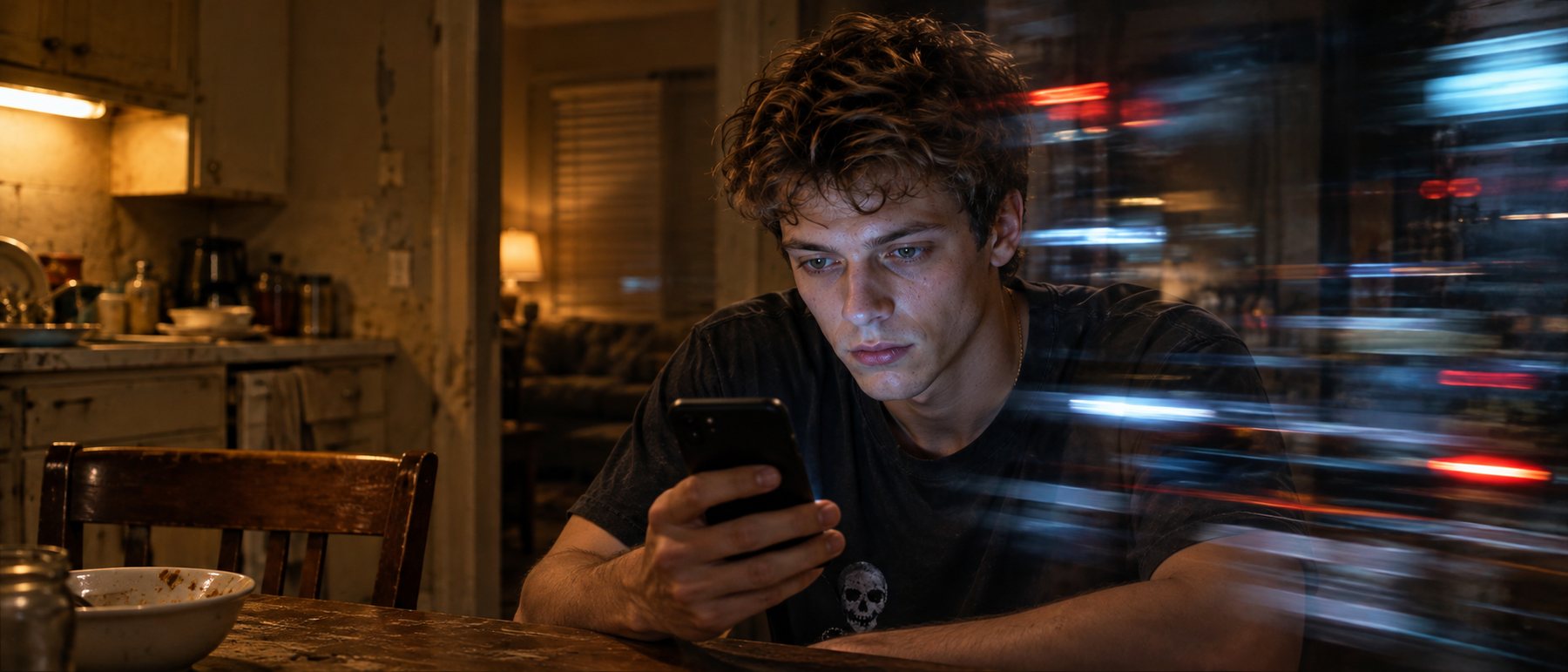
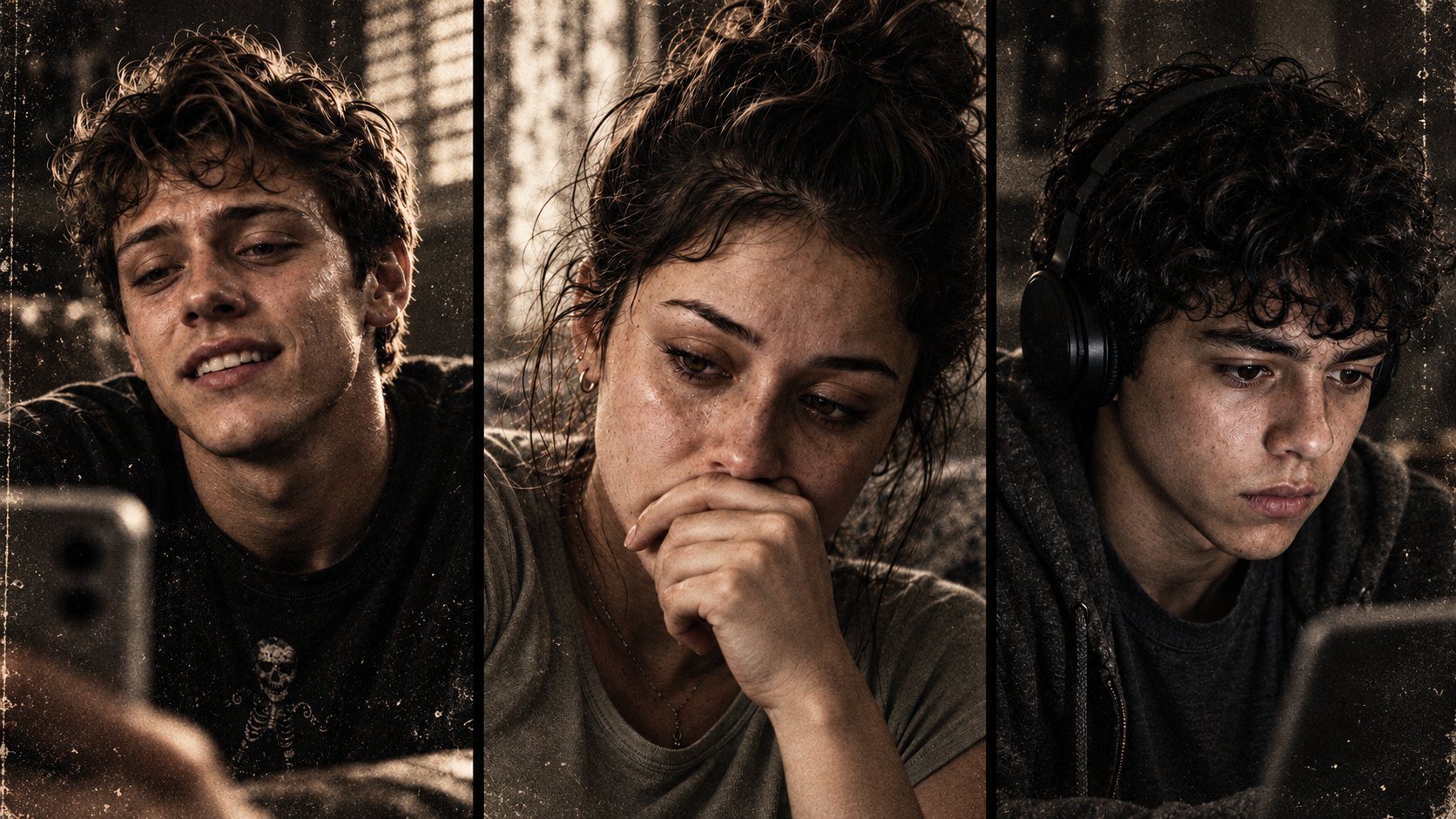
Up close, it looks like this — three ordinary screens, three ordinary nights.
The director
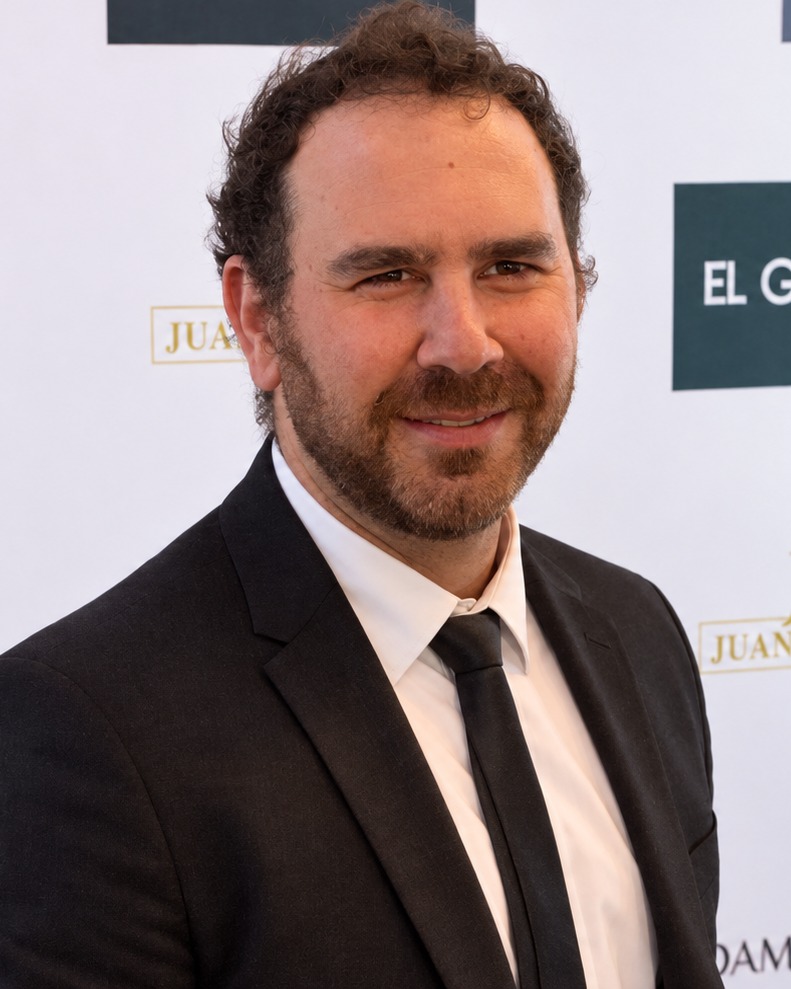
Writer & director
Jaco Dukes
His debut feature El Guardia, produced by Peanut Gallery Group, premiered at the Cannes Marché du Film and sold internationally through Adler & Associates. He spent years inside the systems this film depicts — the creator economy, the global gaming industry — which is exactly why it refuses easy answers.
El Guardia (2019) — dramatic feature starring Michael Stuart, produced by Peanut Gallery Group. World premiere, Cannes Marché du Film; listed at AFM & Ventana Sur.
SILENT — Nashville, L.A. Short Fest, Catalina, Rhode Island Int’l.
MIKEY — Rising Star Award, Canada Int’l Film Festival.
MFA in Filmmaking, New York Film Academy (L.A.). Riot Games. Founder of a digital marketing agency — inside the exact industries this film is about.
The Hollywood Reporter · El Nuevo Día · EFE (world’s fourth-largest news agency).
The first audience
See it first.
Into the Feed is in development now. Add your name to get the first look before anyone else — the demo, new footage, and the moments that matter — and to be counted among the first audience for it: the viewers, researchers, educators, and film-industry voices who believe a story about this generation is worth telling, and telling well.
Research, educational, or industry inquiries — reach out directly:
[email protected]Be part of the beginning
Help bring these stories to life.
I’m Jaco, the filmmaker behind Into the Feed—a feature about growing up online.
Your support helps me make time for the conversations, research, editing, and development that move this project forward.
Support Into the FeedContribute through Ko-fi. Any amount is appreciated.
What your support helps make possible
Listen.
Street conversations and deeper research.
Make.
Time to edit, create, and share the work.
Develop.
Writing and creative work toward the feature.
You can also follow the journey.
First looks and updates, straight from Jaco.